Tumors alter life history traits in the freshwater cnidarian, Hydra oligactis

Authors: Justine Boutry, Sophie Tissot, Narimène Mekaoui, Antoine M. Dujon, Jordan Meliani, Rodrigo Hamede, Beata Ujvari, Aurora M. Nedelcu, Jácint Tokolyi, Frédéric Thomas

Source: iScience (Aug 2022)

Abstract

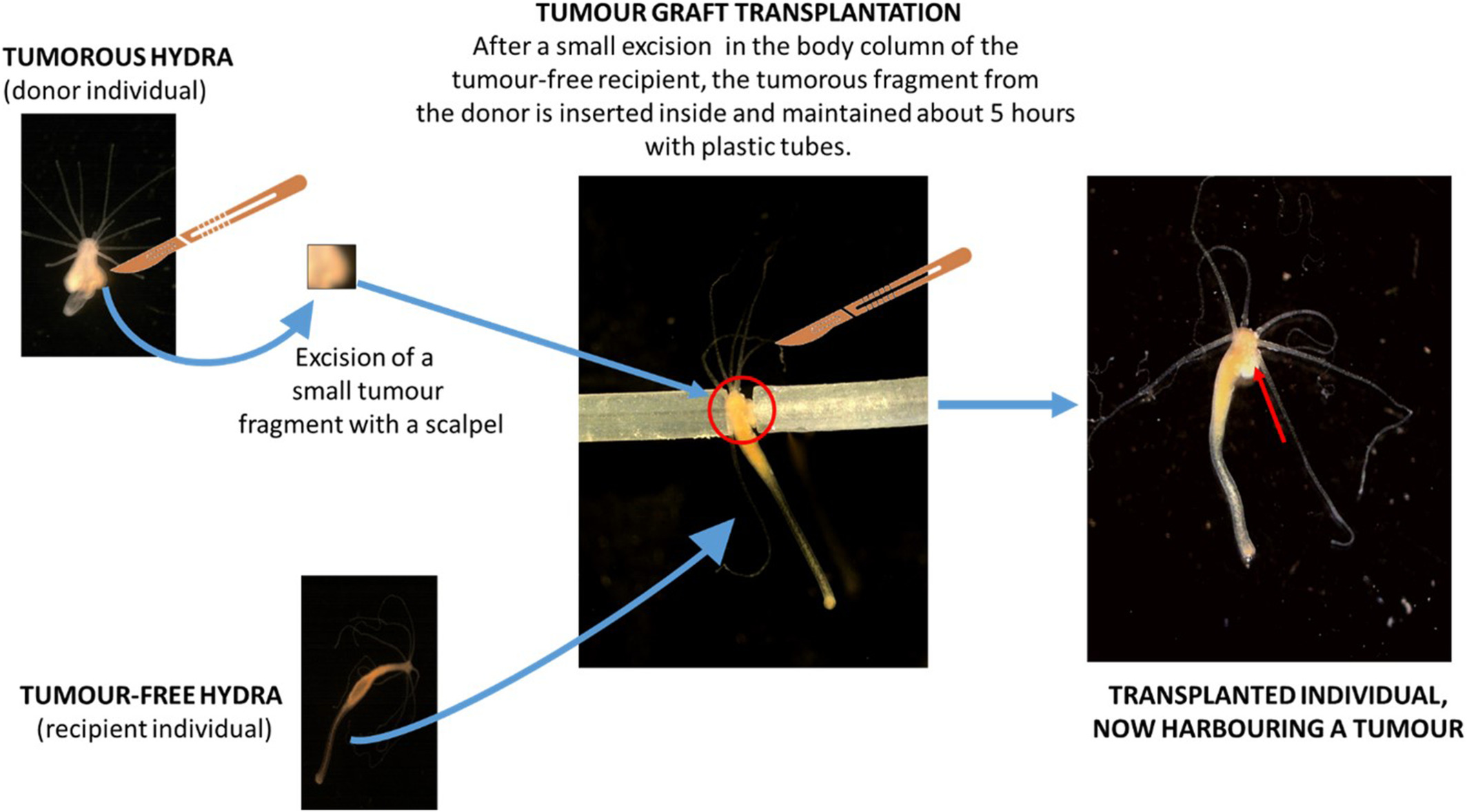
Although tumors can occur during the lifetime of most multicellular organisms and have the potential to influence health, how they alter life-history traits in tumor-bearing individuals remains poorly documented. This question was explored using the freshwater cnidarian Hydra oligactis, a species sometimes affected by vertically transmitted tumors.

We found that tumorous polyps have a reduced survival compared to healthy ones. However, they also displayed higher asexual reproductive effort, by producing more often multiple buds than healthy ones. A similar acceleration is observed for the sexual reproduction (estimated through gamete production). Because tumoral cells are not transmitted through this reproductive mode, this finding suggests that hosts may adaptively respond to tumors, compensating the expected fitness losses by increasing their immediate reproductive effort.

This study supports the hypothesis that tumorigenesis has the potential to influence the biology, ecology, and evolution of multicellular species, and thus should be considered more by evolutionary ecologists.

Nocturnal circulating tumor cells: The ultimate selective filter in cancer progression?

Authors: Frédéric Thomas, Antoine M. Dujon, Beáta Újvári, Catherine Alix-Panabières

Source: Med (Aug 2022)

Abstract

The survival duration of circulating tumor cells (CTCs) in the vasculature is a critical parameter in the establishment of the metastatic cascade.

Diamantopoulou and colleagues demonstrate that the metastatic capacity of CTCs is strongly influenced by circadian rhythms, suggesting a rationale for the time-controlled interrogation and treatment of metastatic cancers.

Small extracellular vesicle DNA-mediated horizontal gene transfer as a driving force for tumor evolution: Facts and riddles

Authors: Gábor Valcz, Beáta Újvári, Edit I. Buzás, et al.

Source: FRONTIERS IN ONCOLOGY (Aug 2022)

Abstract

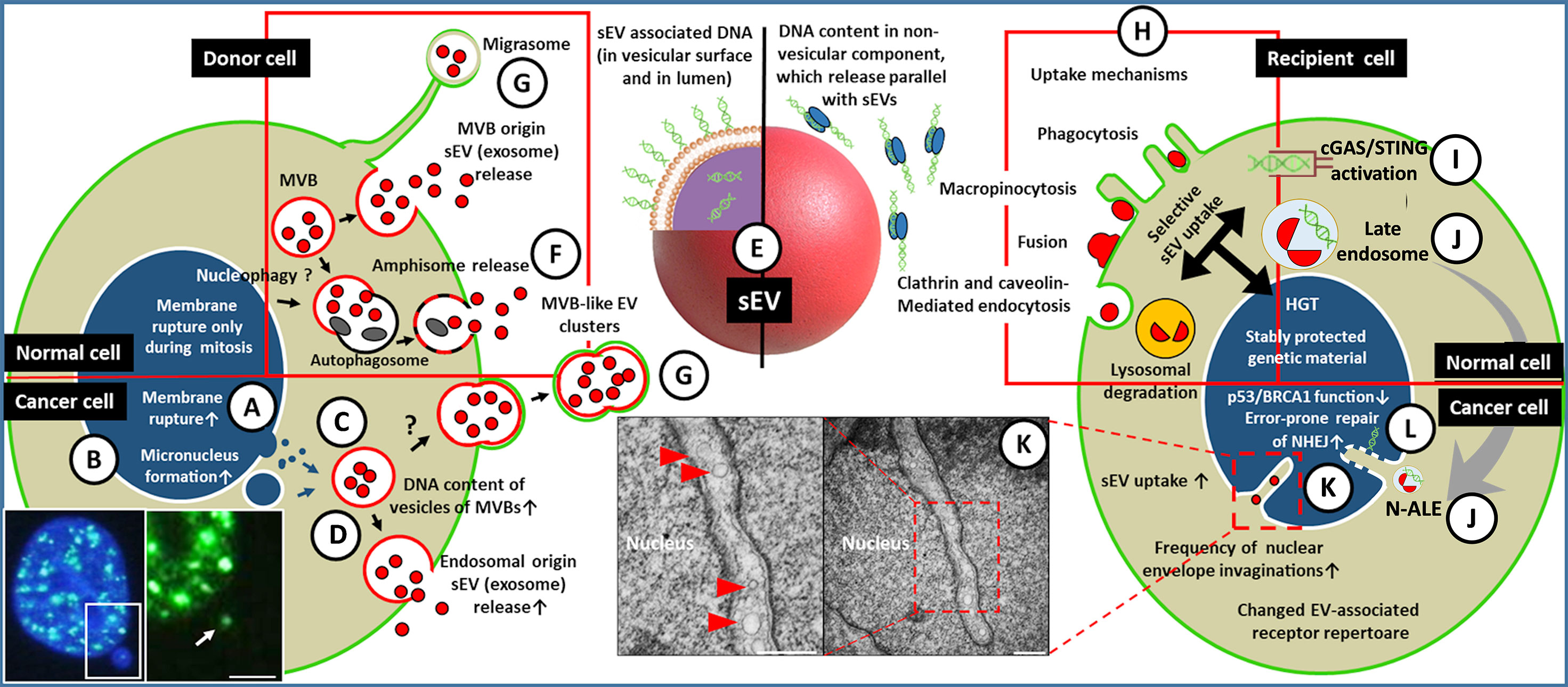
The basis of the conventional gene-centric view on tumor evolution is that vertically inherited mutations largely define the properties of tumor cells. In recent years, however, accumulating evidence shows that both the tumor cells and their microenvironment may acquire external, non-vertically inherited genetic properties via horizontal gene transfer (HGT), particularly through small extracellular vesicles (sEVs).

Many phases of sEV-mediated HGT have been described, such as DNA packaging into small vesicles, their release, uptake by recipient cells, and incorporation of sEV-DNA into the recipient genome to modify the phenotype and properties of cells. Recent techniques in sEV separation, genome sequencing and editing, as well as the identification of new secretion mechanisms, shed light on a number of additional details of this phenomenon.

Here, we discuss the key features of this form of gene transfer and make an attempt to draw relevant conclusions on the contribution of HGT to tumor evolution.

A review of the methods used to induce cancer in invertebrates to study its effects on the evolution of species and ecosystem functioning

Authors: Antoine M. Dujon, Justine Boutry, Sophie Tissot, Jordan Meliani, Lena Guimard, Océane Rieu, Beata Ujvari, Frédéric Thomas

Source: Methods in Ecology and Evolution (Jul 2022)

Abstract

Cancer is an understudied but important process in wildlife that is predicted to have a significant effect on the evolution of metazoan species due to negative effects on host fitness. However, gaining understanding of the impact of cancer on species and ecosystems is currently relatively slow as the development of both animal models in which cancer can be induced and experiments that can be performed in an ecological setting are required. Invertebrates, because they are widely available and relatively easy to manipulate, are promising animal models.

In this review we examine how tumours can be induced in invertebrates to use them as experimental models to study the effects of cancer on the ecology and evolution of species. We identified four main groups of invertebrates (planarian, bivalves, hydra and drosophila) in which such inductions are performed. We then reviewed the types and effectiveness of the methods employed to induce tumours in those groups.

Cancer alters the phenotype of the host. We review how experiments using invertebrate models can be used to investigate the impact of cancer on tumour-bearing individuals for their movement, reproduction, feeding behaviours, social interactions, holobiont and predation risk.

We provide recommendations to facilitate the development of new invertebrate models. We also highlight a series of key questions on the ecology and evolution of cancer that could be answered with the use of invertebrate models.

Transmissible Cancer Evolution: The Under-Estimated Role of Environmental Factors in the “Perfect Storm” Theory

Authors: Sophie Tissot, Anne-Lise Gérard, Justine Boutry, Antoine M. Dujon, Tracey Russel, Hannah Siddle, Aurélie Tasiemski, Jordan Meliani, Rodrigo Hamede, Benjamin Roche, Beata Ujvari and Frédéric Thomas

Source: Pathogens (Feb 2022)

Abstract

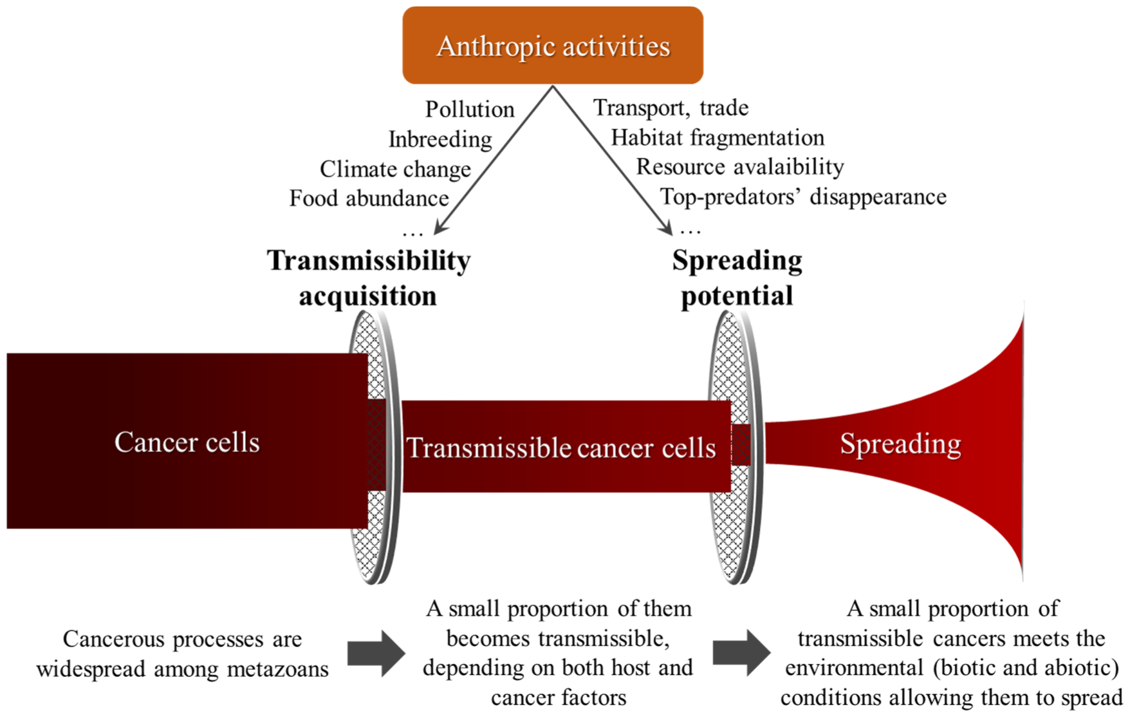
Although the true prevalence of transmissible cancers is not known, these atypical malignancies are likely rare in the wild. The reasons behind this rarity are only partially understood, but the “Perfect Storm hypothesis” suggests that transmissible cancers are infrequent because a precise confluence of tumor and host traits is required for their emergence.

This explanation is plausible as transmissible cancers, like all emerging pathogens, will need specific biotic and abiotic conditions to be able to not only emerge, but to spread to detectable levels. Because those conditions would be rarely met, transmissible cancers would rarely spread, and thus most of the time disappear, even though they would regularly appear. Thus, further research is needed to identify the most important factors that can facilitate or block the emergence of transmissible cancers and influence their evolution.

Such investigations are particularly relevant given that human activities are increasingly encroaching into wild areas, altering ecosystems and their processes, which can influence the conditions needed for the emergence and spread of transmissible cell lines.

Cancer Susceptibility as a Cost of Reproduction and Contributor to Life History Evolution

Authors: Antoine M. Dujon, Justine Boutry, Sophie Tissot, Jean-François Lemaître, Amy M. Boddy, Anne-Lise Gérard, Alexandra Alvergne, Audrey Arnal, Orsolya Vincze, Delphine Nicolas, Mathieu Giraudeau, Marina Telonis-Scott, Aaron Schultz, Pascal Pujol, Peter A. Biro, Christa Beckmann, Rodrigo Hamede, Benjamin Roche, Beata Ujvari and Frédéric Thomas

Source: Current Biology (JUN 2022)

Abstract

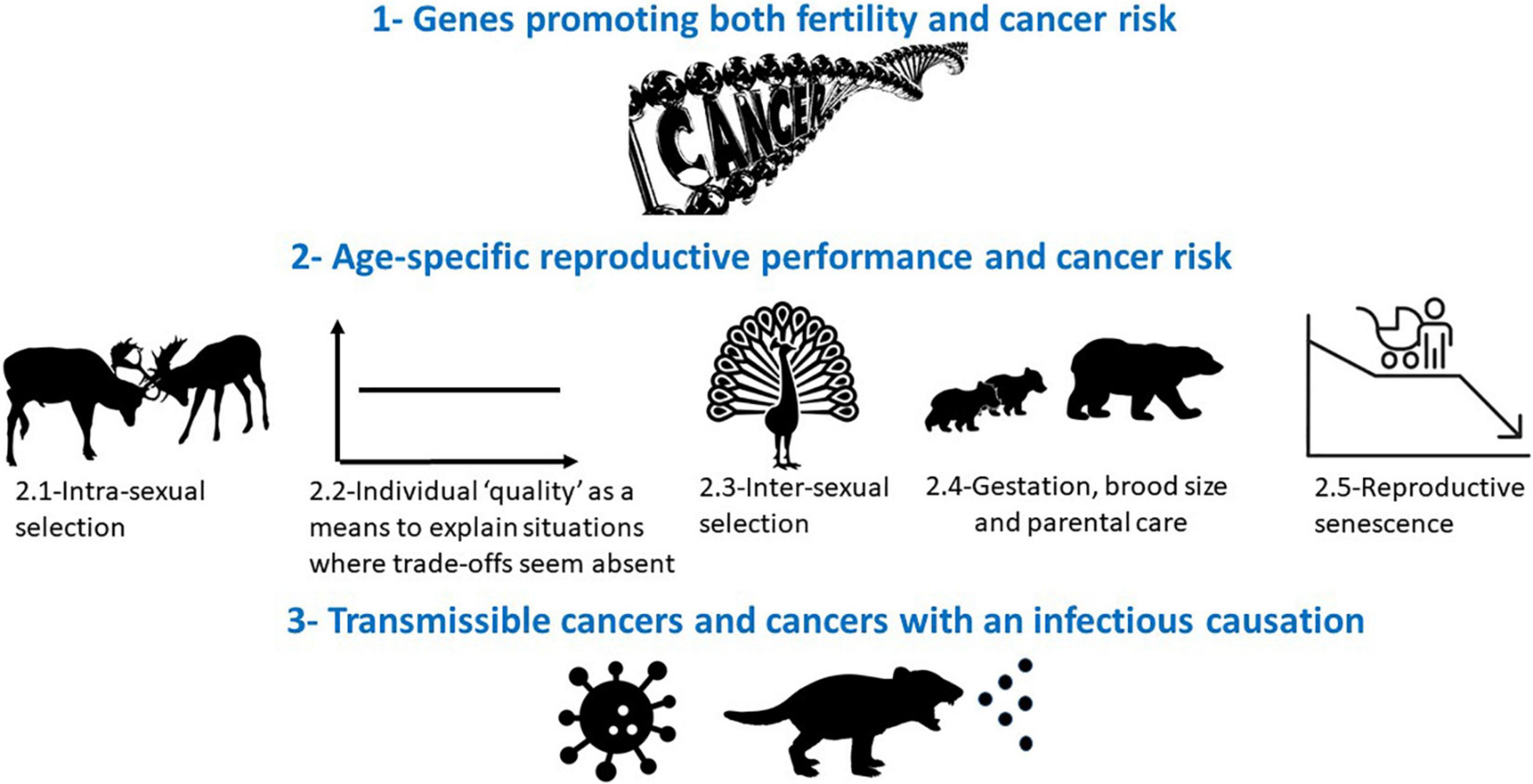
Reproduction is one of the most energetically demanding life-history stages. As a result, breeding individuals often experience trade-offs, where energy is diverted away from maintenance (cell repair, immune function) toward reproduction.

While it is increasingly acknowledged that oncogenic processes are omnipresent, evolving and opportunistic entities in the bodies of metazoans, the associations among reproductive activities, energy expenditure, and the dynamics of malignant cells have rarely been studied.

Here, we review the diverse ways in which age-specific reproductive performance (e.g., reproductive aging patterns) and cancer risks throughout the life course may be linked via trade-offs or other mechanisms, as well as discuss situations where trade-offs may not exist.

We argue that the interactions between host–oncogenic processes should play a significant role in life-history theory, and suggest some avenues for future research.

Negative frequency-dependent selection on polymorphic color morphs in adders

Authors: Thomas Madsen, Bo Stille, Beata Ujvari, Dirk Bauwens, John A. Endler

Source: Current Biology (JUN 2022)

Abstract

Color pattern polymorphism occurs when more than one form is found within the same population. It is widespread in a variety of taxa, leading us to ask what maintains this variation. One stabilizing mechanism is negative frequency-dependent selection, also known as apostatic selection, in which the fitness of a phenotype decreases with its frequency.

Negative frequency-dependent selection has been proposed as one of the most powerful selective forces in maintaining phenotypic and genetic diversity in both plant and animal populations. Despite its importance and experimental evidence, no study has documented that natural selection due to predation may result in negative frequency-dependent selection in a wild undisturbed vertebrate population.

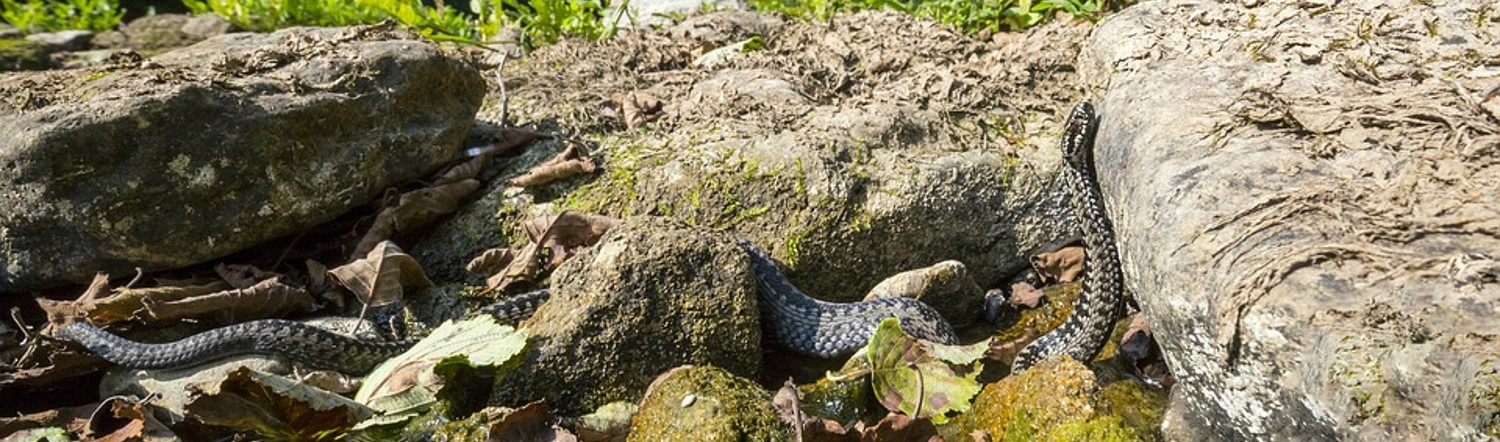
Here, we report the results of a long-term study, spanning 37 years from 1984 to 2020, of two distinct color morphs, zigzag and melanistic, within a population of adult adders (Vipera berus) on the island of Hallands Väderö in southern Sweden.

Our results strongly suggest that the color pattern polymorphism is maintained by negative frequency-dependent natural selection in both males and females.

Mass-related differences in metabolic rate and fasting endurance explain divergence in seasonal activity of Mediterranean lizards

Authors: Luca Luiselli, Bo Stille, Marie Stille, William A. Buttemer and Thomas Madsen

Source: Amphibia-Reptilia (MAY 2022)

Abstract

We analysed the effects of body mass on the monthly activity patterns of six Mediterranean lacertid lizard taxa, four relatively small species, the Italian wall lizard (Podarcis siculus), the common wall lizard (Podarcis muralis), the blue-throated keeled lizard (Algyroides nigropunctatus), and the Ionian wall lizard (Podarcis ionicus), and two larger species, the western green lizard (Lacerta bilineata) and the Balkan green lizard (Lacerta trilineata).

The highest number of observations for all six species occurred in April and May and the lowest in July and August, the latter being the hottest and driest months of the year. The two larger species were mainly active from March to July, whereas the four smaller species had an additional period of high activity from September to November. As all six species reproduce during spring, the increase in activity of the smaller species in autumn was consequently unrelated to reproductive behaviour. There was no difference in seasonal activity of the two smaller Italian species at sites with or without the larger green lizards. It is therefore unlikely that interference competition/predation by green lizards caused the increased autumnal activity of the smaller lizards.

We suggest that due to their lower mass-specific metabolic rates, larger species can obtain sufficient lipid stores over a shorter annual activity to ensure successful reproduction the subsequent spring. By contrast, smaller species have greater need to replenish their lipid reserves after summer fasting and therefore resume much higher activity levels in September to November to attain this goal.

Telomeres, the loop tying cancer to organismal life-histories

Authors: Beata Ujvari, Nynke Raven, Thomas Madsen, Marcel Klaassen, Antoine M. Dujon, Aaron G. Schultz, Leonard Nunney, Jean-François Lemaître, Mathieu Giraudeau, Frédéric Thomas

Source: MOLECULAR ECOLOGY (MAY 2022)

Abstract

Recent developments in telomere and cancer evolutionary ecology demonstrate a very complex relationship between the need of tissue repair and controlling the emergence of abnormally proliferating cells. The trade-off is balanced by natural and sexual selection and mediated via both intrinsic and environmental factors.

Here, we explore the effects of telomere-cancer dynamics on life history traits and strategies as well as on the cumulative effects of genetic and environmental factors. We show that telomere-cancer dynamics constitute an incredibly complex and multifaceted process. From research to date, it appears that the relationship between telomere length and cancer risk is likely nonlinear with good evidence that both (too) long and (too) short telomeres can be associated with increased cancer risk.

The ability and propensity of organisms to respond to the interplay of telomere dynamics and oncogenic processes, depends on the combination of its tissue environments, life history strategies, environmental challenges (i.e., extreme climatic conditions), pressure by predators and pollution, as well as its evolutionary history. Consequently, precise interpretation of telomere-cancer dynamics requires integrative and multidisciplinary approaches.

Finally, incorporating information on telomere dynamics and the expression of tumour suppressor genes and oncogenes could potentially provide the synergistic overview that could lay the foundations to study telomere-cancer dynamics at ecosystem levels.

A novel perspective suggesting high sustained energy expenditure may be net protective against cancer

Authors: Peter A Biro, Frédéric Thomas, Beata Ujvari, Christa Beckmann

Source: EVOLUTION MEDICINE AND PUBLIC HEALTH (JAN 2022)

Abstract

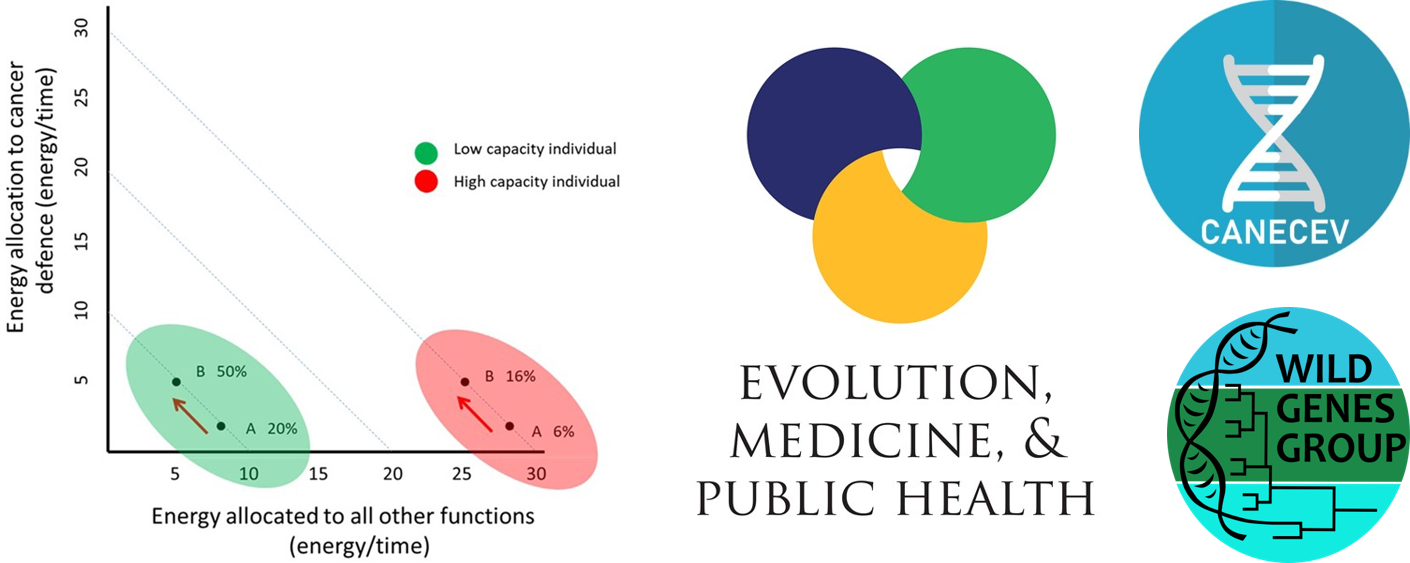
Energy expenditure (EE) is generally viewed as tumorigenic, due to production of reactive oxygen species (ROS) that can damage cells and DNA. On this basis, individuals within a species that sustain high EE should be more likely to develop cancer.

Here, we argue the opposite, that high EE may be net protective effect against cancer, despite high ROS production. This is possible because individuals that sustain high EE have a greater energetic capacity (=greater energy acquisition, expenditure and ability to up-regulate output), and can therefore allocate energy to multiple cancer-fighting mechanisms with minimal energetic trade-offs.

Our review finds that individuals sustaining high EE have greater antioxidant production, lower oxidative stress, greater immune function and lower cancer incidence. Our hypothesis and literature review suggest that EE may indeed be net protective against cancer, and that individual variation in energetic capacity may be a key mechanism to understand the highly individual nature of cancer risk in contemporary human populations and laboratory animals.