Authors: Frédéric Thomas; Klara Asselin; Nick MacDonald; Lionel Brazier; Jordan Meliani; Beata Ujvari; Antoine Marie Dujon
Source: Comptes Rendus, Biologies (Nov 2024)
Abstract
Cancer is a biological process that emerged at the end of the Precambrian era with the rise of multicellular organisms. Traditionally, cancer has been viewed primarily as a disease relevant to human and domesticated animal health, attracting attention mainly from oncologists.
In recent years, however, the community of ecologists and evolutionary biologists has recognized the pivotal role of cancer-related issues in the evolutionary paths of various species, influencing multiple facets of their biology. It has become evident that overlooking these issues is untenable for a comprehensive understanding of species evolution and ecosystem functioning.
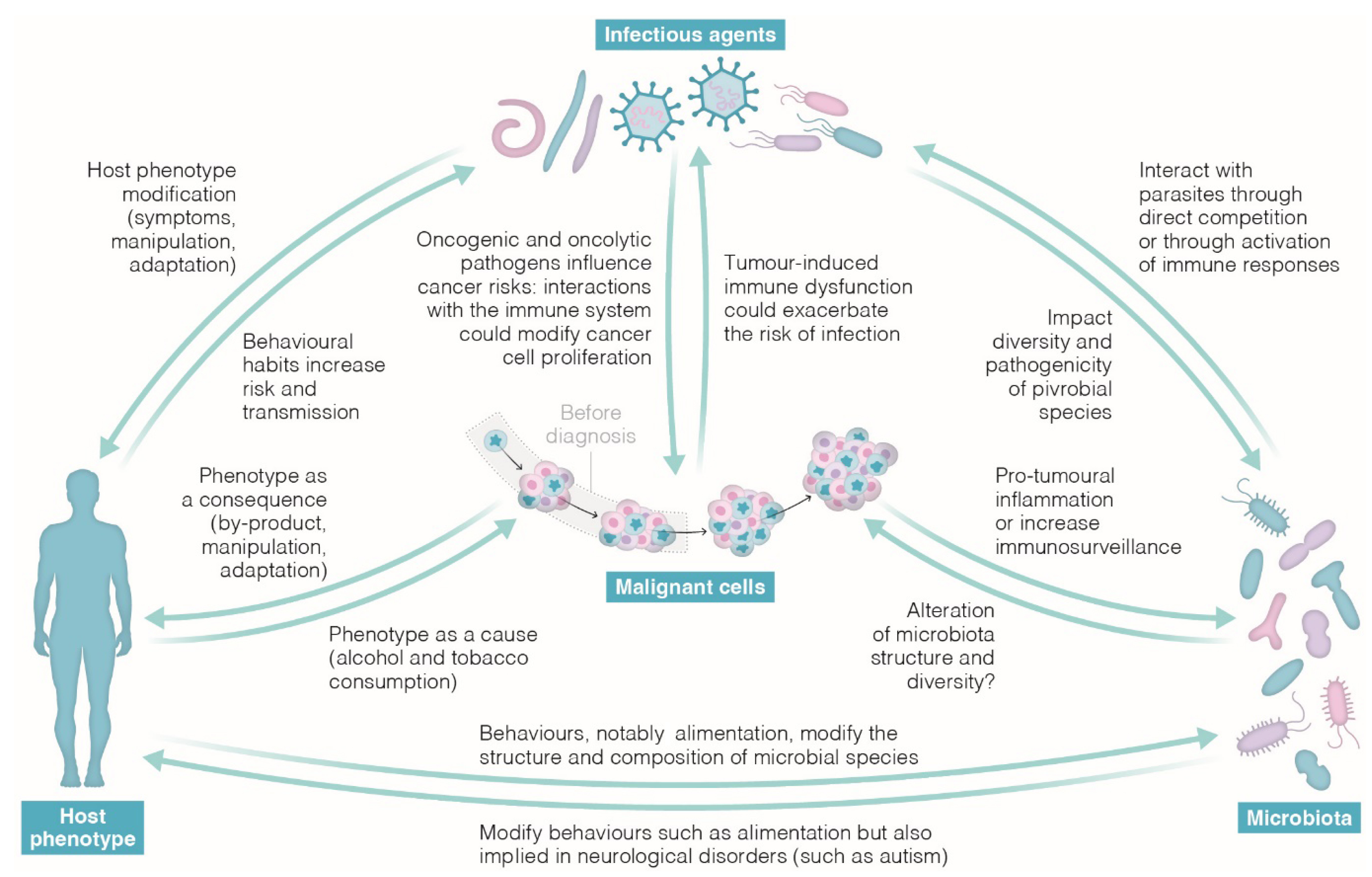
In this article, we highlight some significant advancements in this field, also underscoring the pressing need to consider reciprocal interactions not only between cancer cells and their hosts but also with all entities comprising the holobiont. This reflection gains particular relevance as ecosystems face increasing pollution from mutagenic substances, resulting in a resurgence of cancer cases in wildlife.
Discover more from The Wild Genes Group
Subscribe to get the latest posts sent to your email.
 The Wild Genes Group