Click HERE to access the LinkedIn post and the video
Click HERE to access the LinkedIn post and the video
Authors: Mitchell L. Trickey, Mrittika Chowdury, Georgina Bramwell, Natalie A. Counihan & Tania F. de Koning-Ward
Source: Journal of Biomedical Science (Feb 2025)
Background
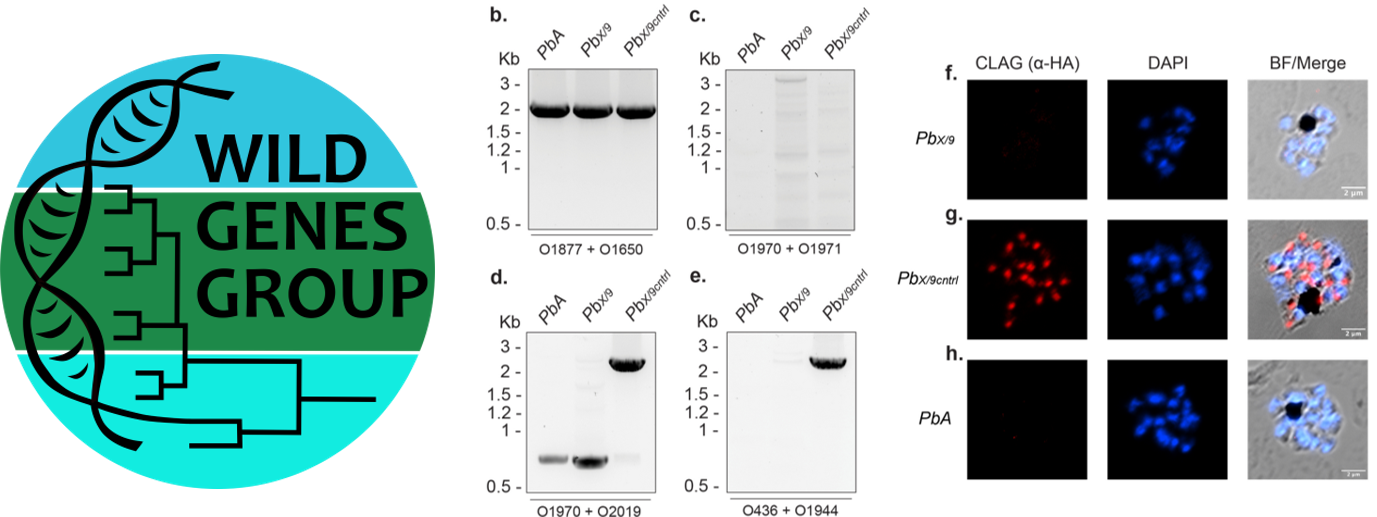
Malaria parasites establish new permeation pathways (NPPs) at the red blood cell membrane to facilitate the transport of essential nutrients from the blood plasma into the infected host cell. The NPPs are critical to parasite survival and, therefore, in the pursuit of novel therapeutics are an attractive drug target. The NPPs of the human parasite, P. falciparum, have been linked to the RhopH complex, with the monoallelic paralogues clag3.1 and clag3.2 encoding the protein RhopH1/CLAG3 that likely forms the NPP channel-forming component. Yet curiously, the combined knockout of both clag3 genes does not completely eliminate NPP function. The essentiality of the clag3 genes is, however, complicated by three additional clag paralogs (clag2, clag8 and clag9) in P. falciparum that could also be contributing to NPP formation.
Methods
Here, the rodent malaria species, P. berghei, was utilised to investigate clag essentiality since it contains only two clag genes, clagX and clag9. Allelic replacement of the regions encompassing the functional components of P. berghei clagX with either P. berghei clag9 or P. falciparum clag3.1 examined the relationship between the two P. berghei clag genes as well as functional orthology across the two species. An inducible P. berghei clagX knockout was created to examine the essentiality of the clag3 ortholog to both survival and NPP functionality.
Results
It was revealed P. berghei CLAGX and CLAG9, which belong to two distinct phylogenetic clades, have separate non-complementary functions, and that clagX is the functional orthologue of P. falciparum clag3. The inducible clagX knockout in conjunction with a guanidinium chloride induced-haemolysis assay to assess NPP function provided the first evidence of CLAG essentiality to Plasmodium survival and NPP function in an in vivo model of infection.
Conclusions
This work provides valuable insight regarding the essentiality of the RhopH1 clag genes to the NPPs functionality and validates the continued investigation of the RhopH complex as a therapeutic target to treat malaria infections.
Authors: Thomas S. Mock, Davis S. Francis, Antoine M Dujon
Source: Reviews in Aquaculture (Nov 2024)

To achieve production goals, aquaculture often modifies the environments of farmed species, creating conditions that differ significantly from their natural habitats. These alterations can result in evolutionary mismatches, where traits that evolved to optimise survival and reproduction in the wild become maladaptive in farming settings. This can lead to a conflict between traits desired for farming and those favoured by natural selection.
In this opinion piece, we examine cases where such evolutionary mismatches arise, their impact on production, and strategies to mitigate these effects. We provide examples of species and farming practices that have been optimised through selective breeding and evolutionary studies and highlight practical solutions that can be applied to the many aquaculture species for which farming practices remain suboptimal.
Additionally, we suggest directions for future research to deepen our understanding of evolutionary mismatches in aquaculture.
Authors: Antoine M Dujon, Amy M Boddy, Rodrigo Hamede, Beata Ujvari, Frédéric Thomas
Source: Evolution (Nov 2024)

Peto’s paradox, which highlights the lower-than-expected cancer rates in larger and/or longer-lived species, is a cornerstone of discussions at the intersection of ecology, evolution, and cancer research. It prompts investigations into how species with traits that theoretically increase cancer risk manage to exhibit cancer resistance, with the ultimate goal of uncovering novel therapies for humans.
Building on these foundational insights, we propose expanding the research focus to species that, despite possessing traits beyond size and longevity that theoretically increase their cancer risk, exhibit unexpected cancer resistance.
Testing Peto’s paradox without interference from transient dynamics also requires considering species that are at an equilibrium between cancer risks and defenses, which is increasingly challenging due to anthropogenic activities. Additionally, we argue that transmissible cancers could significantly help in understanding how the metastatic process might be naturally suppressed.
This research perspective is timely and aims to support the continued and in-depth identification of anti-cancer adaptations retained throughout evolution in the animal kingdom.
Authors: Frédéric Thomas; Klara Asselin; Nick MacDonald; Lionel Brazier; Jordan Meliani; Beata Ujvari; Antoine Marie Dujon
Source: Comptes Rendus, Biologies (Nov 2024)
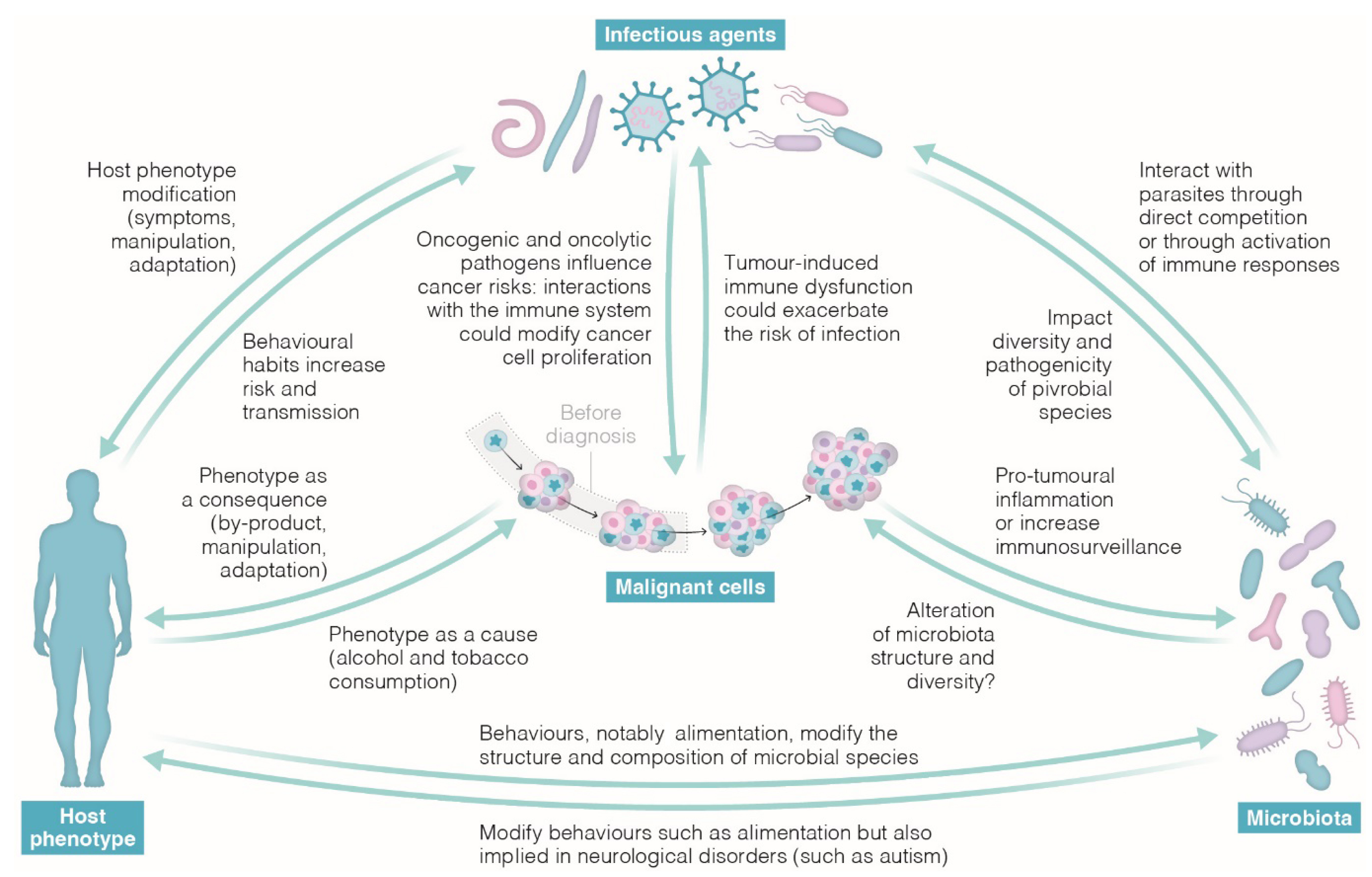
Cancer is a biological process that emerged at the end of the Precambrian era with the rise of multicellular organisms. Traditionally, cancer has been viewed primarily as a disease relevant to human and domesticated animal health, attracting attention mainly from oncologists.
In recent years, however, the community of ecologists and evolutionary biologists has recognized the pivotal role of cancer-related issues in the evolutionary paths of various species, influencing multiple facets of their biology. It has become evident that overlooking these issues is untenable for a comprehensive understanding of species evolution and ecosystem functioning.
In this article, we highlight some significant advancements in this field, also underscoring the pressing need to consider reciprocal interactions not only between cancer cells and their hosts but also with all entities comprising the holobiont. This reflection gains particular relevance as ecosystems face increasing pollution from mutagenic substances, resulting in a resurgence of cancer cases in wildlife.
Authors: Natasha Yadav, Anurag Nath, Pushplata Prasad Singh, Himadri B. Bohidar, Damien L. Callahan, Antoine M. Dujon, Luis O. B. Afonso and Aaron G. Schultz
Source: Environmental Science: Nano (Oct 2024)
The rapid advancement of nanotechnology has led to the increasing application of metal oxide nanoparticles (NPs) in various fields, including agriculture, where they offer potential benefits such as improved nutrient delivery and pest control. However, concerns about their environmental impact necessitate a comprehensive assessment of their safety.
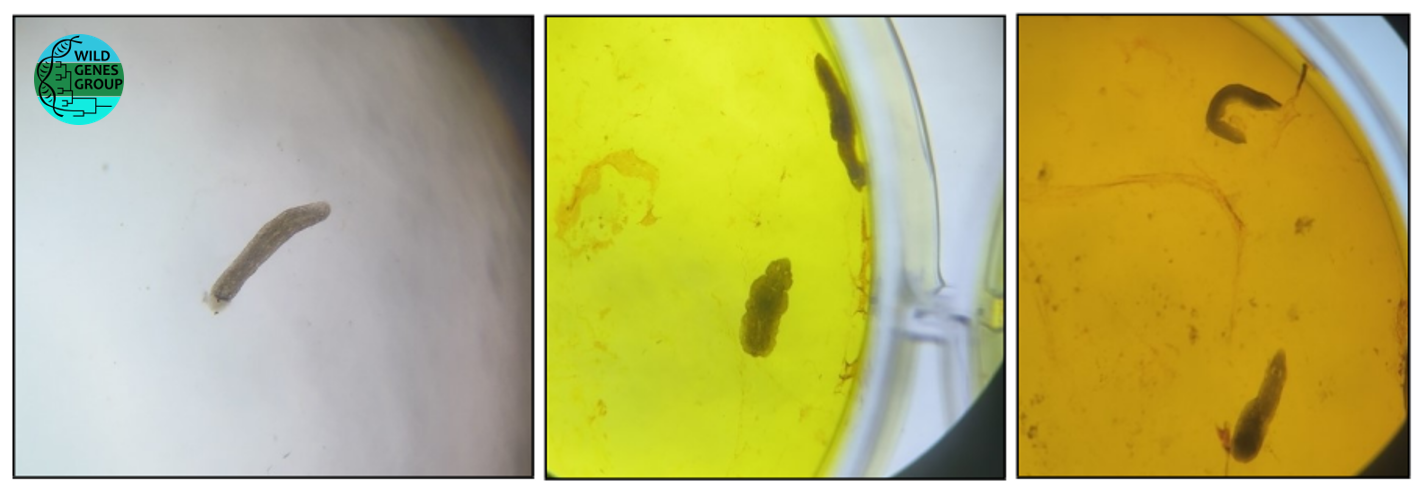
This study investigated the potential toxic effects of iron-based nanoparticles (NPs) on freshwater planarian and the influence of abiotic factors such as humic acid (HA) and UV exposure on their toxicity. Three different types of iron-based NPs were tested, including commercially available Sigma iron oxide magnetic NPs (Sig_IOMNPs), biologically synthesized BS_IOMNPs and Zn–Fe and bulk FeSO4. Sigma and biogenic nanoparticles had predominantly magnetite (Fe3O4) structure whereas Zn–Fe possessed a bimetallic conformation. Interaction of these NPs with abiotic factors (HA and UV light) led to an increase in their hydrodynamic diameter.
In contrast to the commercial sources (Sig_IOMNPs and bulk FeSO4), the biologically synthesized NPs did not cause any acute or sublethal toxicity to the planarian when alone or in combination with HA and UV. These results suggest that biologically synthesized iron-based NPs (Zn–Fe and BS_IOMNPs) may be a safe alternative to conventional bulk iron-based fertilizers.
This study highlights the importance of investigating the physicochemical changes of NPs in environmentally realistic conditions and assessing their potential toxicity to aquatic organisms. These findings can contribute to the development of safe and sustainable agricultural practices, promoting the use of iron-based NPs as a new generation of fertilizers.
Authors: Sophie Tissot, Jordan Meliani, Matthew Chee, Aurora M. Nedelcu, Justine Boutry, Jácint Tökölyi, Rodrigo Hamede, Benjamin Roche, Beata Ujvari, Frédéric Thomas & Antoine M. Dujon
Source: Scientific Reports (Sep 2024)
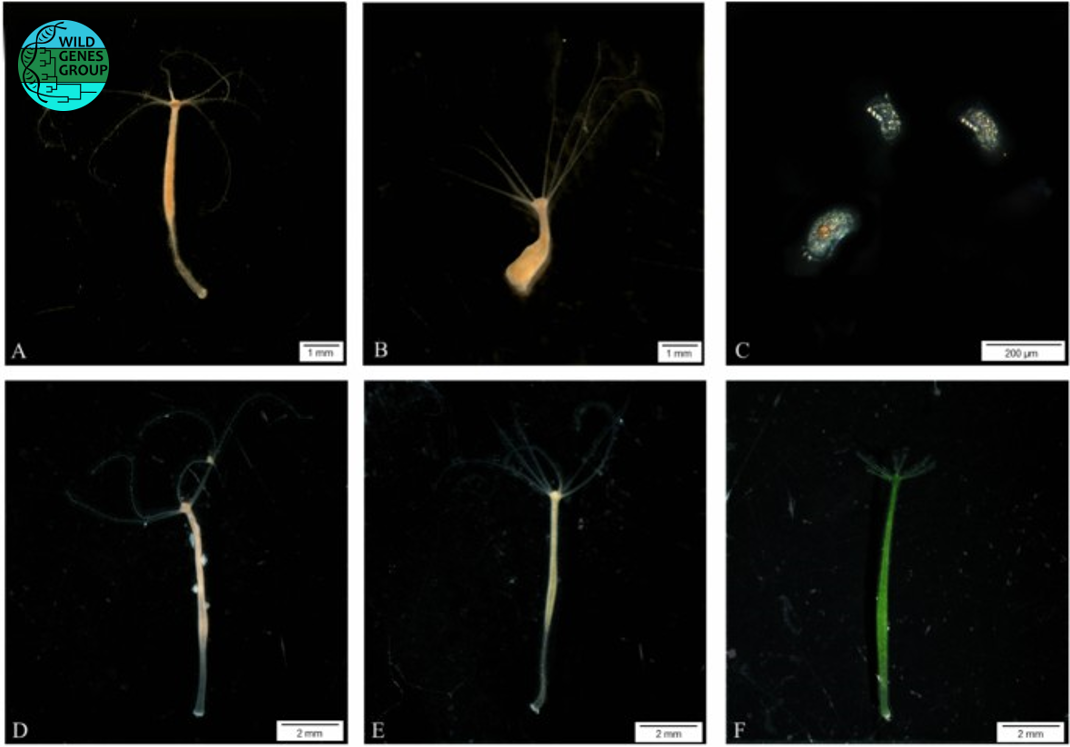
Recent theoretical advances in the One Health approach have suggested that cancer pathologies should be given greater consideration, as cancers often render their hosts more vulnerable to infectious agents, which could turn them into super spreaders within ecosystems. Although biologically plausible, this hypothesis has not yet been validated experimentally.
Using a community of cnidarians of the Hydra genus (Hydra oligactis, Hydra viridissima, Hydra vulgaris) and a commensal ciliate species (Kerona pediculus) that colonizes them, we tested whether tumoral polyps of H. oligactis, compared to healthy ones, played an amplifying role in the number of ciliates, potentially resulting in a higher likelihood of infection for other community members through spillovers. Our results indicate that K. pediculus has a higher proliferation rate on tumoral polyps of H. oligactis than on healthy ones, which results in the infestation of other hydras. However, the magnitude of the spillover differed between recipient species.
This study provides to our knowledge the first elements of proof of concept that tumoral individuals in communities could act as super spreaders of symbionts within and between species, and thus affect biotic interactions and dynamics in ecosystems.
Authors: Margaux Bieuville, Antoine M. Dujon, Nynke Raven, Beata Ujvari, Pascal Pujol, Zahra Eslami-S, Catherine Alix Panabières, Jean-Pascal Capp, Frédéric Thomas
Source: Evolutionary Applications (Oct 2024)

While it is recognised that most, if not all, multicellular organisms harbour neoplastic processes within their bodies, the timing of when these undesirable cell proliferations are most likely to occur and progress throughout the organism’s lifetime remains only partially documented. Due to the different mechanisms implicated in tumourigenesis, it is highly unlikely that this probability remains constant at all times and stages of life.
In this article, we summarise what is known about this variation, considering the roles of age, season and circadian rhythm. While most studies requiring that level of detail be done on humans, we also review available evidence in other animal species. For each of these timescales, we identify mechanisms or biological functions shaping the variation. When possible, we show that evolutionary processes likely played a role, either directly to regulate the cancer risk or indirectly through trade-offs.
We find that neoplastic risk varies with age in a more complex way than predicted by early epidemiological models: rather than resulting from mutations alone, tumour development is dictated by tissue- and age-specific processes. Similarly, the seasonal cycle can be associated with risk variation in some species with life-history events such as sexual competition or mating being timed according to the season. Lastly, we show that the circadian cycle influences tumourigenesis in physiological, pathological and therapeutic contexts. We also highlight two biological functions at the core of these variations across our three timescales: immunity and metabolism. Finally, we show that our understanding of the entanglement between tumourigenic processes and biological cycles is constrained by the limited number of species for which we have extensive data.
Improving our knowledge of the periods of vulnerability to the onset and/or progression of (malignant) tumours is a key issue that deserves further investigation, as it is key to successful cancer prevention strategies.
Authors: Frédéric Thomas, James DeGregori, Andriy Marusyk, Antoine M Dujon, Beata Ujvari, Jean-Pascal Capp, Robert Gatenby, Aurora M Nedelcu
Source: Evolution, Medicine, and Public Health (Sep 2024)

Tumorigenesis is commonly attributed to Darwinian processes involving natural selection among cells and groups of cells. However, progressing tumors are those that also achieve an appropriate group phenotypic composition (GPC).
Yet, the selective processes acting on tumor GPCs are distinct from that associated with classical Darwinian evolution (i.e. natural selection based on differential reproductive success) as tumors are not genuine evolutionary individuals and do not exhibit heritable variation in fitness.
This complex evolutionary scenario is analogous to the recently proposed concept of ‘selection for function’ invoked for the evolution of both living and non-living systems.
Therefore, we argue that it is inaccurate to assert that Darwinian processes alone account for all the aspects characterizing tumorigenesis and cancer progression; rather, by producing the genetic and phenotypic diversity required for creating novel GPCs, these processes fuel the evolutionary success of tumors that is dependent on selection for function at the tumor level.
Authors: Sophie Tissot, Jordan Meliani, Justine Boutry, Lionel Brazier, Jácint Tökölyi, Benjamin Roche, Beata Ujvari, Aurora M. Nedelcu, Frédéric Thomas and Antoine M. Dujon
Source: Proceedings of the Royal Society B: Biological Sciences (Sep 2024)

While most cancers are not transmissible, there are rare cases where cancer cells can spread between individuals and even across species, leading to epidemics. Despite their significance, the origins of such cancers remain elusive due to late detection in host populations. Using Hydra oligactis, which exhibits spontaneous tumour development that in some strains became vertically transmitted, this study presents the first experimental observation of the evolution of a transmissible tumour.
Specifically, we assessed the initial vertical transmission rate of spontaneous tumours and explored the potential for optimizing this rate through artificial selection. One of the hydra strains, which evolved transmissible tumours over five generations, was characterized by analysis of cell type and bacteriome, and assessment of life-history traits.
Our findings indicate that tumour transmission can be immediate for some strains and can be enhanced by selection. The resulting tumours are characterized by overproliferation of large interstitial stem cells and are not associated with a specific bacteriome. Furthermore, despite only five generations of transmission, these tumours induced notable alterations in host life-history traits, hinting at a compensatory response.
This work, therefore, makes the first contribution to understanding the conditions of transmissible cancer emergence and their short-term consequences for the host.
 The Wild Genes Group