Odors and cancer: Current status and future directions

Authors: Flora Gouzerh, Jean-Marie Bessière, Beata Ujvari, Frédéric Thomas , Antoine M Dujon, Laurent Dormont

Source: Biochimica Et Biophysica Acta-reviews On Cancer (NOV2021)

Abstract

Cancer is the second leading cause of death in the world. Because tumors detected at early stages are easier to treat, the search for biomarkers-especially non-invasive ones-that allow early detection of malignancies remains a central goal to reduce cancer mortality.

Cancer, like other pathologies, often alters body odors, and much has been done by scientists over the last few decades to assess the value of volatile organic compounds (VOCs) as signatures of cancers. We present here a quantitative review of 208 studies carried out between 1984 and 2020 that explore VOCs as potential biomarkers of cancers.

We analyzed the main findings of these studies, listing and classifying VOCs related to different cancer types while considering both sampling methods and analysis techniques. Considering this synthesis, we discuss several of the challenges and the most promising prospects of this research direction in the war against cancer.

Bridging Tumorigenesis and Therapy Resistance With a Non-Darwinian and Non-Lamarckian Mechanism of Adaptive Evolution

Authors: Francesco Catania, Beata Ujvari, Benjamin Roche, Jean-Pascal Capp and Frédéric Thomas

Source: FRONTIERS IN ONCOLOGY (SEP 2021)

Abstract

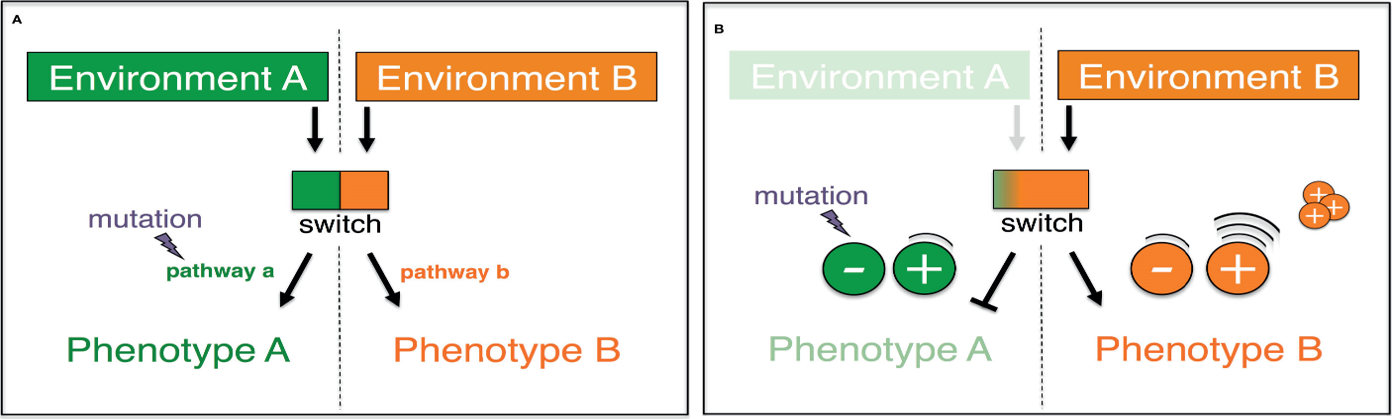
Although neo-Darwinian (and less often Lamarckian) dynamics are regularly invoked to interpret cancer’s multifarious molecular profiles, they shine little light on how tumorigenesis unfolds and often fail to fully capture the frequency and breadth of resistance mechanisms. This uncertainty frames one of the most problematic gaps between science and practice in modern times.

Here, we offer a theory of adaptive cancer evolution, which builds on a molecular mechanism that lies outside neo-Darwinian and Lamarckian schemes. This mechanism coherently integrates non-genetic and genetic changes, ecological and evolutionary time scales, and shifts the spotlight away from positive selection towards purifying selection, genetic drift, and the creative-disruptive power of environmental change.

The surprisingly simple use-it or lose-it rationale of the proposed theory can help predict molecular dynamics during tumorigenesis. It also provides simple rules of thumb that should help improve therapeutic approaches in cancer.

Sea Turtles in the Cancer Risk Landscape: A Global Meta-Analysis of Fibropapillomatosis Prevalence and Associated Risk Factors

Authors: Antoine M. Dujon, Gail Schofield, Roberto M. Venegas, Frédéric Thomas and Beata Ujvari

Source: Pathogens (OCT2021)

Abstract

Several cancer risk factors (exposure to ultraviolet-B, pollution, toxins and pathogens) have been identified for wildlife, to form a “cancer risk landscape.” However, information remains limited on how the spatiotemporal variability of these factors impacts the prevalence of cancer in wildlife.

Here, we evaluated the cancer risk landscape at 49 foraging sites of the globally distributed green turtle (Chelonia mydas), a species affected by fibropapillomatosis, by integrating data from a global meta-analysis of 31 publications (1994–2019).

Evaluated risk factors included ultraviolet light exposure, eutrophication, toxic phytoplanktonic blooms, sea surface temperature, and the presence of mechanical vectors (parasites and symbiotic species).

Prevalence was highest in areas where nutrient concentrations facilitated the emergence of toxic phytoplankton blooms. In contrast, ultraviolet light exposure and the presence of parasitic and/or symbiotic species did not appear to impact disease prevalence.

Our results indicate that, to counter outbreaks of fibropapillomatosis, management actions that reduce eutrophication in foraging areas should be implemented.

On the need for integrating cancer into the One Health perspective

Authors: Antoine M. Dujon, Joel S. Brown, Delphine Destoumieux-Garzón, Marion Vittecoq, Rodrigo Hamede, Aurélie Tasiemski, Justine Boutry ,Sophie Tissot, Catherine Alix-Panabieres, Pascal Pujol, François Renaud, Frédéric Simard ,Benjamin Roche, Beata Ujvari, Frédéric Thomas

Source: EVOLUTIONARY APPLICATIONS (SEP 2021)

Abstract

Recent pandemics have highlighted the urgency to connect disciplines studying animal, human, and environment health, that is, the “One Health” concept. The One Health approach takes a holistic view of health, but it has largely focused on zoonotic diseases while not addressing oncogenic processes.

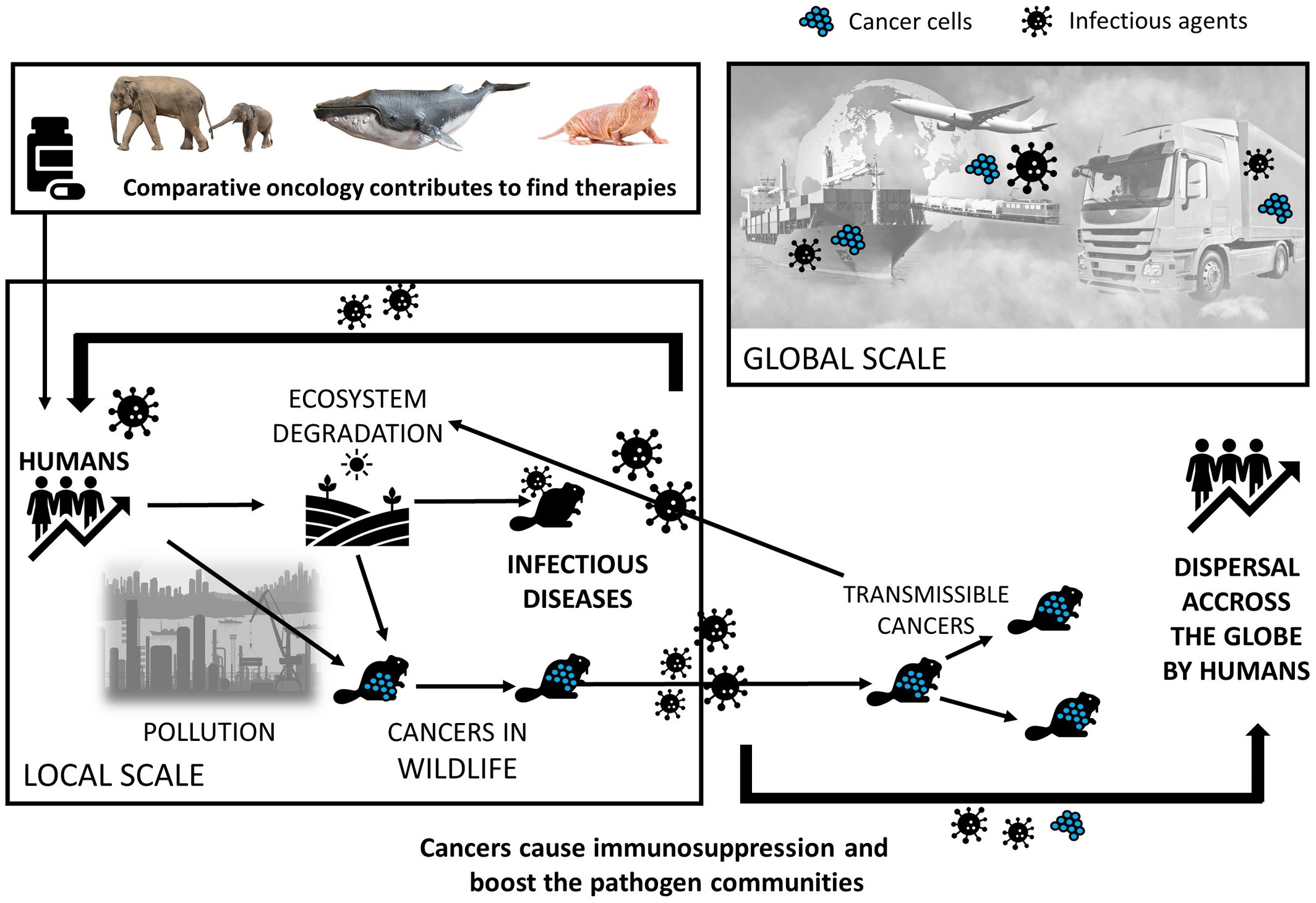
We argue that cancers should be an additional key focus in the One Health approach based on three factors that add to the well-documented impact of humans on the natural environment and its implications on cancer emergence.

First, human activities are oncogenic to other animals, exacerbating the dynamics of oncogenesis, causing immunosuppressive disorders in wildlife with effects on host–pathogen interactions, and eventually facilitating pathogen spillovers.

Second, the emergence of transmissible cancers in animal species (including humans) has the potential to accelerate biodiversity loss across ecosystems and to become pandemic. It is crucial to understand why, how, and when transmissible cancers emerge and spread.

Third, translating knowledge of tumor suppressor mechanisms found across the Animal Kingdom to human health offers novel insights into cancer prevention and treatment strategies.

Machine learning is a powerful tool to study the effect of cancer on species and ecosystems

Authors: Antoine M. Dujon, Marion Vittecoq, Georgina Bramwell, Frédéric Thomas, Beata Ujvari

Source: METHODS IN ECOLOGY AND EVOLUTION (AUG 2021)

Abstract

Cancer is an understudied but important process in wildlife. Cancerous cells are proposed to have had significant effect on the evolution of metazoan species due to their negative effect on host fitness. However, gaining knowledge on the impact of cancer on species and ecosystems is currently relatively slow as it requires expertise in both ecology and oncology. The field can greatly benefit from automation to reduce the need of excessive manpower and analyse complex ecological datasets.

In this commentary, we examine how machine learning has been used to gain knowledge on oncogenic processes in wildlife. Using a landscape ecology approach, we explore spatial scales ranging from the size of a molecule up to whole ecosystems and detail, for each level, how machine learning has been used, or could contribute to obtain insights on cancer in wildlife populations and ecosystems.

We illustrate how machine learning is a powerful toolbox to conduct studies at the interface of ecology and oncology. We provide guidance for the readers of both fields on how to implement machine learning tools in their research and identify directions to move the field forward using this promising technology. We demonstrate how applying machine learning to complex ecological datasets will (a) contribute to quantitating the effect of cancer at different life stages in wildlife; (b) allow the mining of long-term datasets to understand the spatiotemporal variability of cancer risk factors and (c) contribute to mitigating cancer risk factors and the conservation of endangered species.

With this study, we aim to facilitate the use of machine learning to wildlife species and to encourage discussion between the scientists of the fields of oncology and ecology. We highlight the importance of international and pluridisciplinary collaborations to collect high-quality datasets on which efficient machine learning algorithms can be trained.

Tumors (re)shape biotic interactions within ecosystems: Experimental evidence from the freshwater cnidarian Hydra

Authors: Justine Boutry; Juliette Mistral; Laurent Berlioz; Alexander Klimovich; Jácint Tökölyi; Laura Fontenille; Beata Ujvari; Antoine M. Dujon; Mathieu Giraudeau; Frédéric Thomas

Source: Science of The Total Environment (AUG 2021)

Abstract

While it is often assumed that oncogenic processes in metazoans can influence species interactions, empirical evidence is lacking.

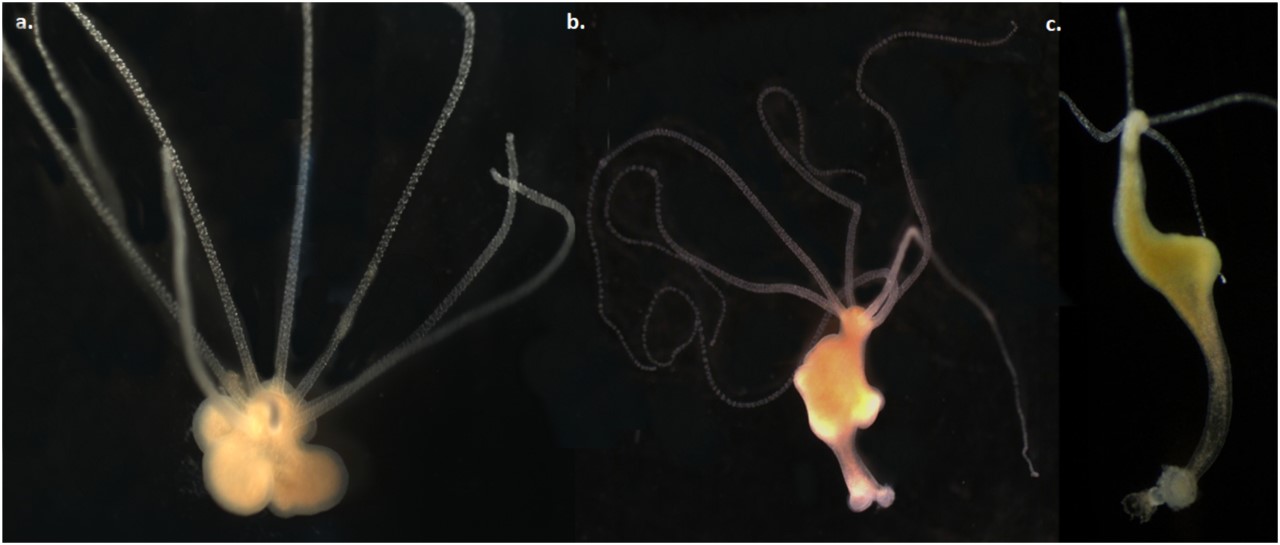
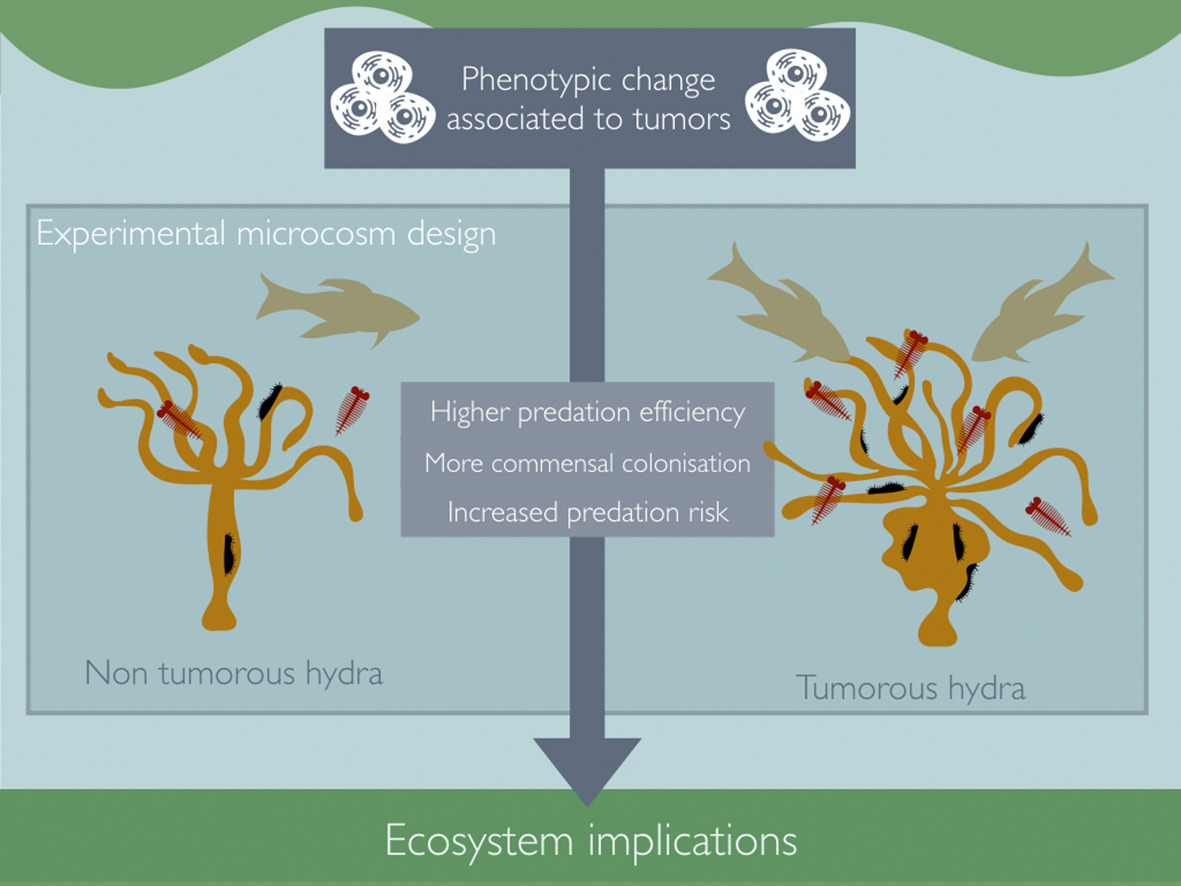
Here, we use the cnidarian Hydra oligactis to experimentally explore the consequences of tumor associated phenotypic alterations for its predation ability, relationship with commensal ciliates and vulnerability to predators.

Unexpectedly, hydra’s predation ability was higher in tumorous polyps compared to non-tumorous ones. Commensal ciliates colonized preferentially tumorous hydras than non-tumorous ones, and had a higher replication rate on the former.

Finally, in a choice experiment, tumorous hydras were preferentially eaten by a fish predator. This study, for the first time, provides evidence that neoplastic growth has the potential, through effect(s) on host phenotype, to alter biotic interactions within ecosystems and should thus be taken into account by ecologists.

Graphical abstract

Is There One Key Step in the Metastatic Cascade?

Authors: Antoine M. Dujon, Jean-Pascal Capp, Joel S. Brown, Pascal Pujol, Robert A. Gatenby, Beata Ujvari, Catherine Alix-Panabières and Frédéric Thomas

Source: Evolutionary Applications (MAY 2021)

Brief summary of the paper:

Simple Summary

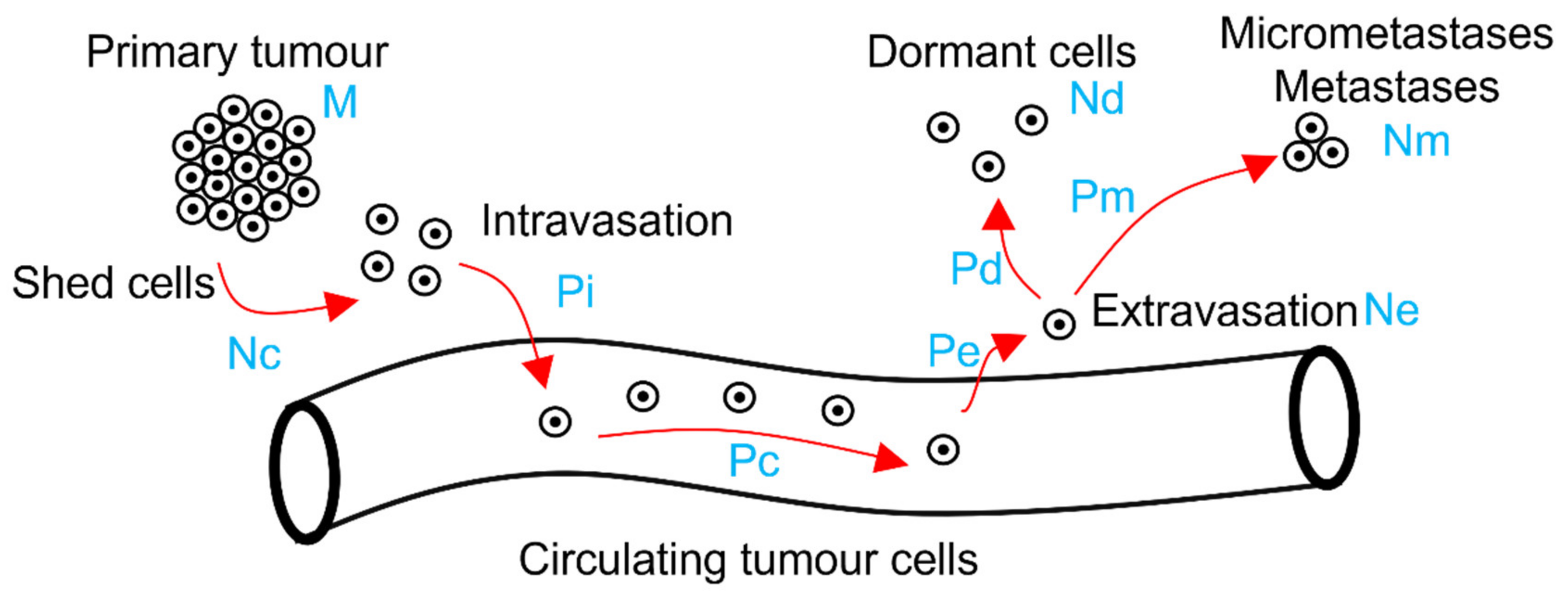
To successfully metastasize, cancer cells must complete a sequence of obligatory steps called the metastatic cascade. To model the metastatic cascade, we used the framework of the Drake equation, initially created to describe the emergence of intelligent life in the Milky way, using a similar logic of a sequence of obligatory steps.

Then within this framework, we used simulations on breast cancer to investigate the contribution of each step to the metastatic cascade.

We show that the half-life of circulating tumor cells is one of the most important parameters in the cascade, suggesting that therapies reducing the survival of those cells in the vascular system could significantly reduce the risk of metastasis.

Abstract

The majority of cancer-related deaths are the result of metastases (i.e., dissemination and establishment of tumor cells at distant sites from the origin), which develop through a multi-step process classically termed the metastatic cascade.

The respective contributions of each step to the metastatic process are well described but are also currently not completely understood. Is there, for example, a critical phase that disproportionately affects the probability of the development of metastases in individual patients?

Here, we address this question using a modified Drake equation, initially formulated by the astrophysicist Frank Drake to estimate the probability of the emergence of intelligent civilizations in the Milky Way. Using simulations based on realistic parameter values obtained from the literature for breast cancer, we examine, under the linear progression hypothesis, the contribution of each component of the metastatic cascade. Simulations demonstrate that the most critical parameter governing the formation of clinical metastases is the survival duration of circulating tumor cells (CTCs).

COVID-19 disruption reveals mass-tourism pressure on nearshore sea turtle distributions and access to optimal breeding habitat

Authors: Gail Schofield, Liam C. D. Dickson, Lucy Westover, Antoine M. Dujon & Kostas A. Katselidis

Source: Evolutionary Applications (MAY 2021)

Brief summary of the paper:

Quantifying the extent to which animals detect and respond to human presence allows us to identify pressure (disturbance) and inform conservation management objectively; however, obtaining baselines against which to compare human impact is hindered in areas where human activities are already well established.

For example, Zakynthos Island (Greece, Mediterranean) receives around 850,000 visitors each summer, while supporting an important loggerhead sea turtle rookery (~300 individuals/season).

The coronavirus (COVID-19)-driven absence of tourism in May–June 2020 provided an opportunity to evaluate the distribution dynamics of this population in the absence (2020) vs. presence (2018 and 2019) of visitors using programmed unmanned aerial system (UAS) surveys.

Ambient sea temperature transitioned from suboptimal for breeding in May to optimal in late June, with turtle distribution appearing to shift from shallow (to benefit from waters 3–5°C above ambient) to deeper waters in 2018 and 2019, but not 2020. The 2020 data set demonstrated that increased tourism pressure, not temperature, drives turtles offshore.

Specifically, >50% of turtles remained within 100 m of shore at densities of 25–50 visitors/km, even when sea temperature rose, with 2018 and 2019 data supporting this trend. Reduced access to warmer, nearshore waters by tourism could delay the onset of nesting and increase the length of the egg maturation period between nesting events (internesting interval) at this site. A coastal refuge zone could be delimited in May–June where touristic infrastructure is minimal, but also where turtles frequently aggregate.

In conclusion, sea turtles appear capable of perceiving changes in the level of human pressure at fine spatial and temporal scales and adjusting their distribution accordingly.

Genetic structure and gene flow in the Flame Robin (Petroica phoenicea)

Authors: Beckmann, C; Major, RE; Frankham, GJ; Thomas, S; Biro, PA; Ujvari, B; Neaves, L

Source: EMU-AUSTRAL ORNITHOLOGY (MAY 2021)

Brief summary of the paper:

Robins in the family Petroicidae are characteristic of the woodland bird community that is threatened in Australia as a result of habitat loss and fragmentation. Flame Robin (Petroica phoenicea) populations declined by 56% between 1980 and 2000, with habitat loss likely being the primary cause.

Given that Flame Robins primarily breed at high elevation, populations may become more isolated due to anthropogenic change, resulting in increased inbreeding and loss of genetic diversity that may accelerate local extinction.

We estimated the genetic structure and recent gene flow among four populations (n = 70 birds) of this vulnerable (NSWSC) species across a 670 km portion of its range in temperate south-eastern Australia using 14 genetic markers. We found no significant differences in genetic diversity amongst populations and little population structuring – only the northernmost population showing a weak signal of differentiation. However, we detected little recent migration between the northern and southern sites, possibly due to recent fragmentation.

We conclude that habitat loss is a conservation concern for this Vulnerable species and further work and ongoing genetic monitoring is needed, particularly given high elevation breeding sites that are vulnerable in the face of a changing climate.

Does Cancer Biology Rely on Parrondo’s Principles?

Authors: Jean-Pascal Capp, Aurora M Nedelcu, Antoine M Dujon, Benjamin Roche, Francesco Catania, Beata Ujvari, Catherine Alix-Panabières and Frédéric Thomas

Source: CANCERS (MAY 2021)

Brief summary of the paper:

Many aspects of cancer biology remain puzzling, including the proliferative and survival success of malignant cells in spite of their high genetic and epigenetic instability as well as their ability to express migrating phenotypes and/or enter dormancy despite possible fitness loss.

Understanding the potential adaptive value of these phenotypic traits is confounded by the fact that, when considered separately, they seem to be rather detrimental at the cell level, at least in the short term. Here, we argue that cancer’s biology and success could frequently be governed by processes underlying Parrondo’s paradox, whereby combinations of intrinsically losing strategies may result in winning outcomes.

Oncogenic selection would favor Parrondo’s dynamics because, given the environmental adversity in which malignant cells emerge and evolve, alternating between various less optimal strategies would represent the sole viable option to counteract the changing and deleterious environments cells are exposed to during tumorigenesis.

We suggest that malignant processes could be viewed through this lens, and we discuss how Parrondo’s principles are also important when designing therapies against cancer.