The Burrunan dolphins that live in Victoria’s waterways are a unique species. Find out more about this critically endangered mammal in the latest blog post from the Ecological Society of Australia, hosting Grace Day (PhD candidate, The Wild Genes Group, Deakin University).
Image credits: Marine Mammal Foundation
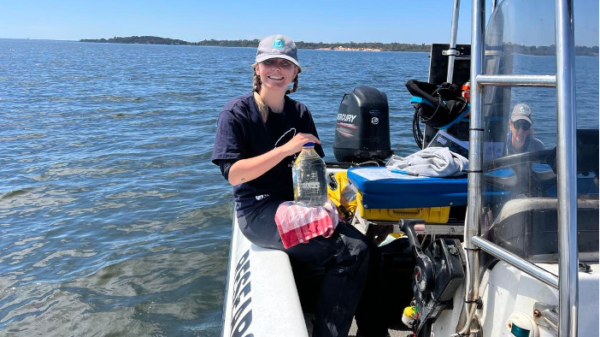
“My PhD project investigates the microscopic army that defends Burrunan dolphins from infection and disease. Picture the body as a fortress: outside are invaders, or pathogens lying in wait to breach the defences. The army that protects the fortress is the immune system.“
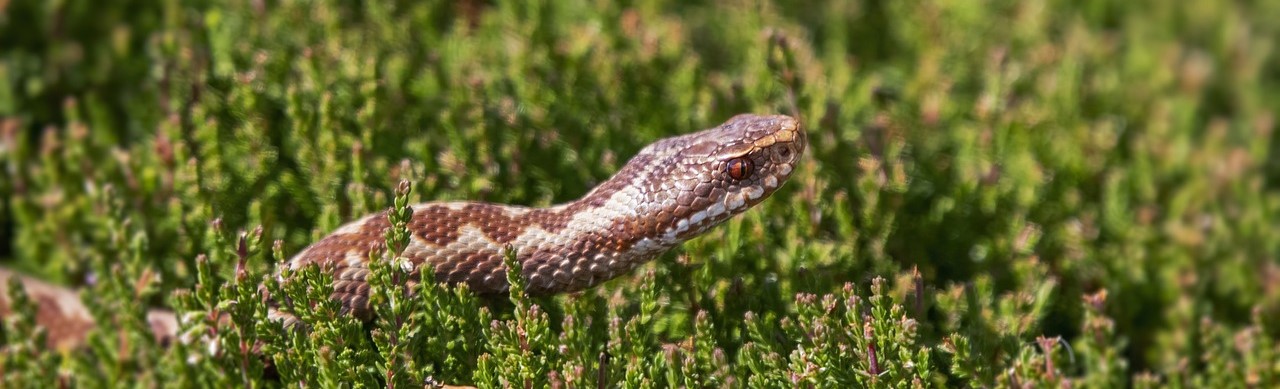
Listen to Prof Thomas Madsen (Deakin University) explaining how a long-term study of an adder population has provided evidence that polyandry and non-random fertilisation can have positive effects on genetic diversity. Thomas argues that factoring in mating dynamics could help to improve conservation genetic analyses.
Authors: Antoine M. Dujon, Orsolya Vincze, Jean-François Lemaitre, Catherine Alix-Panabières, Pascal Pujol, Mathieu Giraudeau, Beata Ujvari and Frédéric Thomas
Reproduction is a central activity for all living organisms but is also associated with a diversity of costs that are detrimental for survival. Until recently, the cost of cancer as a selective force has been poorly considered.
Considering 191 mammal species, we found cancer mortality was more likely to be detected in species having large, rather than low, litter sizes and long lactation lengths regardless of the placentation types. However, increasing litter size and gestation length are not per se associated with an enhanced cancer mortality risk. Contrary to basic theoretical expectations, the species with the highest cancer mortality were not those with the most invasive (i.e. haemochorial) placentation, but those with a moderately invasive (i.e. endotheliochorial) one.
Overall, these results suggest that (i) high reproductive efforts favour oncogenic processes’ dynamics, presumably because of trade-offs between allocation in reproduction effort and anti-cancer defences, (ii) cancer defence mechanisms in animals are most often adjusted to align reproductive lifespan, and (iii) malignant cells co-opt existing molecular and physiological pathways for placentation, but species with the most invasive placentation have also selected for potent barriers against lethal cancers.
This work suggests that the logic of Peto’s paradox seems to be applicable to other traits that promote tumorigenesis.
Authors: Rodrigo Hamede, Nicholas M. Fountain-Jones, Fernando Arce, Menna Jones, Andrew Storfer, Paul A. Hohenlohe, Hamish McCallum, Benjamin Roche, Beata Ujvari, Frédéric Thomas
Infectious diseases are a major threat for biodiversity conservation and can exert strong influence on wildlife population dynamics. Understanding the mechanisms driving infection rates and epidemic outcomes requires empirical data on the evolutionary trajectory of pathogens and host selective processes. Phylodynamics is a robust framework to understand the interaction of pathogen evolutionary processes with epidemiological dynamics, providing a powerful tool to evaluate disease control strategies.
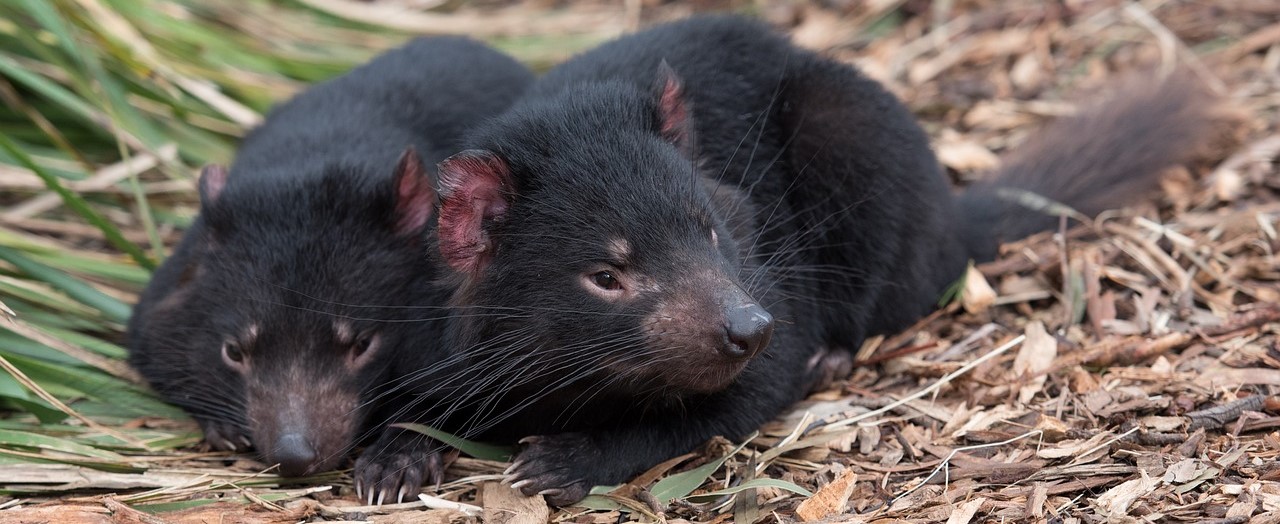
Tasmanian devils have been threatened by a fatal transmissible cancer, devil facial tumour disease (DFTD), for more than two decades. Here we employ a phylodynamic approach using tumour mitochondrial genomes to assess the role of tumour genetic diversity in epidemiological and population dynamics in a devil population subject to 12 years of intensive monitoring, since the beginning of the epidemic outbreak. DFTD molecular clock estimates of disease introduction mirrored observed estimates in the field, and DFTD genetic diversity was positively correlated with estimates of devil population size.
However, prevalence and force of infection were the lowest when devil population size and tumour genetic diversity was the highest. This could be due to either differential virulence or transmissibility in tumour lineages or the development of host defence strategies against infection.
Our results support the view that evolutionary processes and epidemiological trade-offs can drive host-pathogen coexistence, even when disease-induced mortality is extremely high. We highlight the importance of integrating pathogen and population evolutionary interactions to better understand long-term epidemic dynamics and evaluating disease control strategies.
Further reading about this research is available here:
Authors: Margaux Bieuville, Dominique Faugère, Virginie Galibert, Morgane Henard, Antoine M. Dujon, Beata Ujvari, Pascal Pujol, Benjamin Roche and Frédéric Thomas
It is increasingly thought that part of human susceptibility to cancer is the result of evolutionary mismatches: our ancestors evolved cancer suppression mechanisms in a world largely different from our modern environments. In that context, it has been shown in cohorts from general Western populations that reproductive traits modulate breast cancer risk.
Overall, the more menses women experience, the more at risk they are to develop postmenopausal breast cancer. This points towards an evolutionary mismatch but brings the question whether the reproductive pattern also modulates the breast cancer risk in menopausal women at high familial risk.
We thus studied the influence of menses on breast cancer risk in a case–control study of 90 postmenopausal women (including BRCA1/2 and non BRCA1/2) nested within a cohort at high familial risk. We tested the association of the lifetime number of menses and the number of menses before first full-term pregnancy with postmenopausal breast cancer risk using Cox survival models.
We showed that the total lifetime number of menses was significantly associated with postmenopausal breast cancer risk and associated with a quicker onset of breast cancer after menopause. Those results align with similar studies lead in general cohorts and suggest that the reproductive pattern modulates the familial risk of developing breast cancer after menopause.
Altogether, those results impact how we envision breast cancer prevention and call for more research on how ecological and genetic factors shape breast cancer risk.
Climate change has been shown to have significant negative effects on wildlife populations owing to both gradual shifts in mean climatic conditions and an increased frequency of extreme climatic events. Based on a long-term study spanning 40 years, we explore the demographic effect of the exceptionally hot and dry summer of 2018 on the demography of an isolated adder (Vipera berus) population in southern Sweden.
In spring 2019, we observed a dramatic decline in adder relative body mass and a concomitant 50% reduction in population size. Our results strongly suggest that the negative impacts on adder demography were the result of a combination of low prey abundance and adder dehydration caused by the extreme climatic conditions during the previous summer.
The study provides an example of the significant negative effects of ongoing climate change on vertebrate populations and emphasizes the importance of long-term studies to document the demographic effects of extreme climatic events.
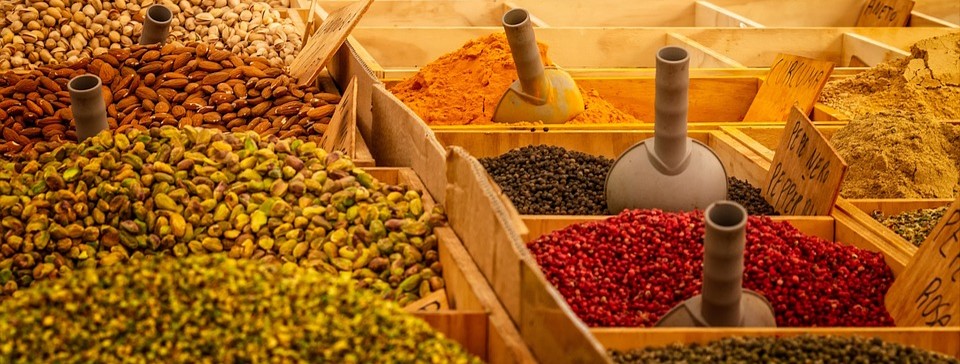
Why humans historically began to incorporate spices into their diets is still a matter of unresolved debate. For example, a recent study (Bromham et al. 2021, Nat Hum Behav) did not support the most popular hypothesis that spice consumption was a practice favoured by selection in certain environments to reduce food poisoning, parasitic infections, and foodborne diseases.
Because several spices are known to have anticancer effects, we explored, using the same dataset, the hypothesis that natural selection and/or cultural evolution may have favoured spice consumption as an adaptive prophylactic response to reduce the burden of cancerous pathologies.
Patterns of spice use in 36 countries, however, are not consistent with a cancer mitigation mechanism: the age-standardised rate of almost all gastrointestinal cancers was not related to spice consumption. Thus, directions other than foodborne pathogens and cancers should be explored to understand the health reasons, if any, why our ancestors developed a taste for spices.
Conservation genetic theory suggests that small and isolated populations should be subject to reduced genetic diversity i.e., heterozygosity and allelic diversity. Our 34 years study of an isolated island population of adders (Vipera berus) in southern Sweden challenges this notion.
Despite a lack of gene flow and a yearly mean estimated reproductive adult population size of only 65 adult adders (range 12–171), the population maintains high levels of heterozygosity and allelic diversity similar to that observed in two mainland populations. Even a 14-year major “bottleneck” i.e., a reduction in adult adder numbers, encompassing at least four adder generations, did not result in any reduction in the island adders’ heterozygosity and allelic diversity. Female adders are polyandrous, and fertilisation is non-random, which our empirical data and modelling suggest are underpinning the maintenance of the population’s high level of heterozygosity.
Our empirical results and subsequent modelling suggest that the positive genetic effects of polyandry in combination with non-random fertilisation, often overlooked in conservation genetic analyses, deserve greater consideration when predicting long-term survival of small and isolated populations.
A plethora of intrinsic and environmental factors have been shown to influence the length of telomeres, the protector of chromosome ends. Despite the growing interest in infection–telomere interactions, there is very limited knowledge on how transmissible cancers influence telomere maintenance. An emblematic example of transmissible cancer occurs in the Tasmanian devil (Sarcophilus harrisii), whose populations have been dramatically reduced by infectious cancer cells.
To investigate associations between telomere dynamics and the transmissible cancer, we used longitudinal data from a Tasmanian devil population that has been exposed to the disease for over 15 years. We detected substantial temporal variation in individual telomere length (TL), and a positive significant association between TL and age, as well as a marginally significant trend for devils with devil facial tumour disease (DFTD) having longer telomeres. A proportional hazard analysis yielded no significant effect of TL on the development of DFTD.
Like previous studies, we show the complexity that TL dynamics may exhibit across the lifetime of organisms. Our work highlights the importance of long-term longitudinal sampling for understanding the effects of wildlife diseases on TL.
Authors: Justine Boutry, Sophie Tissot, Narimène Mekaoui, Antoine M. Dujon, Jordan Meliani, Rodrigo Hamede, Beata Ujvari, Aurora M. Nedelcu, Jácint Tokolyi, Frédéric Thomas
Although tumors can occur during the lifetime of most multicellular organisms and have the potential to influence health, how they alter life-history traits in tumor-bearing individuals remains poorly documented. This question was explored using the freshwater cnidarian Hydra oligactis, a species sometimes affected by vertically transmitted tumors.
We found that tumorous polyps have a reduced survival compared to healthy ones. However, they also displayed higher asexual reproductive effort, by producing more often multiple buds than healthy ones. A similar acceleration is observed for the sexual reproduction (estimated through gamete production). Because tumoral cells are not transmitted through this reproductive mode, this finding suggests that hosts may adaptively respond to tumors, compensating the expected fitness losses by increasing their immediate reproductive effort.
This study supports the hypothesis that tumorigenesis has the potential to influence the biology, ecology, and evolution of multicellular species, and thus should be considered more by evolutionary ecologists.